





An educational APProach that shows results, that is. We look at the whole student and address all the issues impacting that child’s educational achievement.
Michigan students are significantly behind in fourth grade reading scores according to recent articles in MLive and EdTrust
Midwest. Contributing factors include underinvestment in public schools, children growing up in poverty, and long-term repercussions of the COVID pandemic.
Hit hardest are Black and Latino students from low-income backgrounds, and students with disabilities, falling as much as 10 percentage points below the statewide average on both third grade reading and seventh grade math tests. Fewer than one in five Black students were proficient in third grade reading. (2024 M-STEP annual assessment)
The Flint Center for Educational Excellence addresses these challenges directly and indirectly through its six core initiatives. As a place-based education initiative, the Flint Center works with schools, families, and the community at large to build an educational ecosystem that ensures Flint kids don’t just survive, they thrive.
Our ecosystem approach addresses underinvestment in public schools, children growing up in poverty, and long-term repercussions of the COVID pandemic, through a complex network of interconnected classroom and school system initiatives that work together to support learning and education. Add to that ever-widening layers of support for parents, robust research, and community engagement focused on policy and systemic change, and you have an educational ecosystem focused on the whole child.
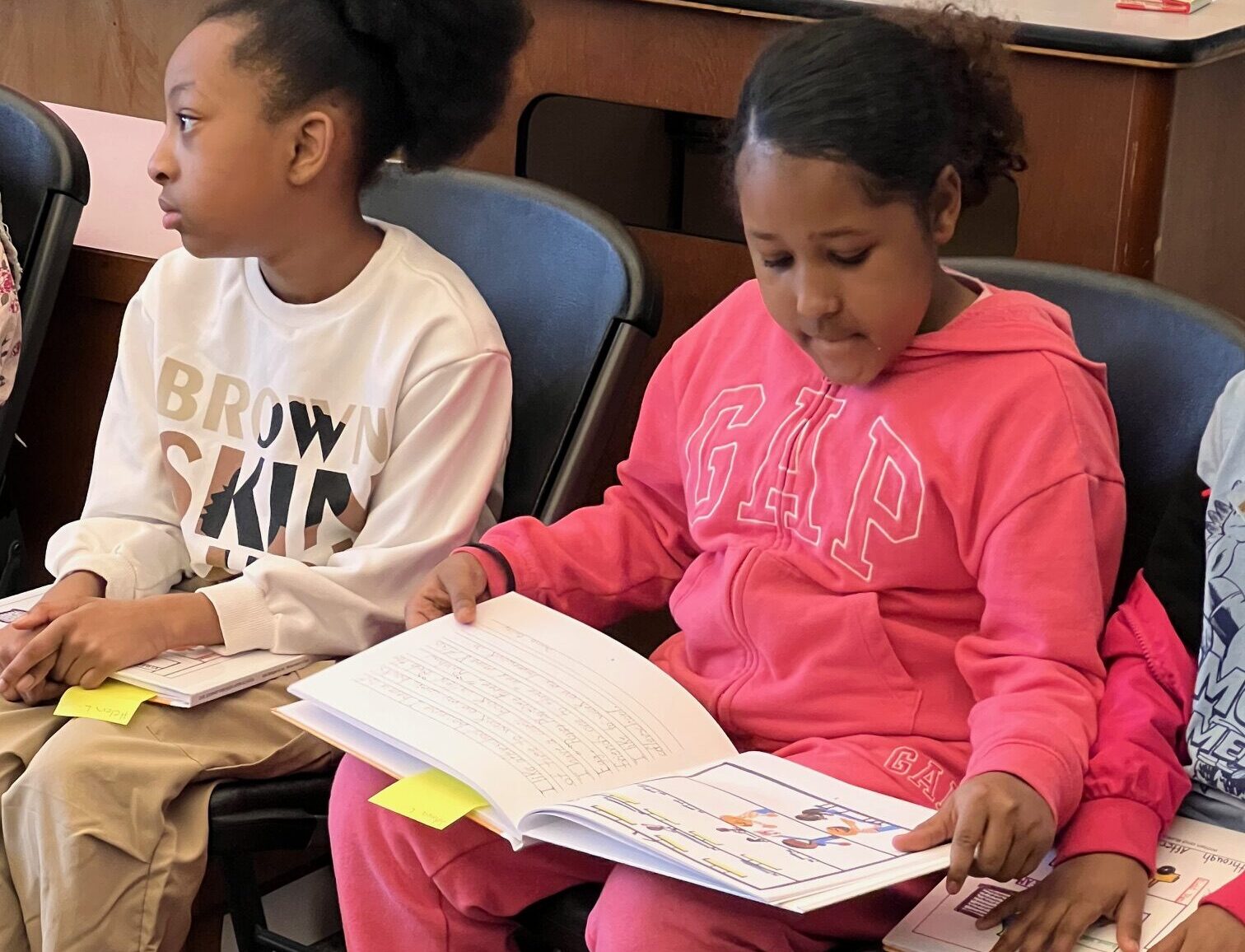
The Flint Center directly addresses reading skills and literacy through a variety of programs in the afterschool environment including Reading Rangers, a partnership program with Springboard Collaborative, that brings teachers, parents and students together as partners in literacy teaching and learning. Our pilot program results showed that 60% of the students moved up in reading proficiency, and 40% increased their score in the same category, representing improved reading scores for 100% of the children who participated.
Additionally, the Flint Center’s Network for School Excellence puts literacy tools directly in the hands of classroom teachers and provides training and quarterly workshops to support teachers and administrators in Network schools.
Embedded in all our afterschool programming is curriculum that reinforces reading and literacy skills learned during the school day, including creative writing activities, book clubs, and storytelling.
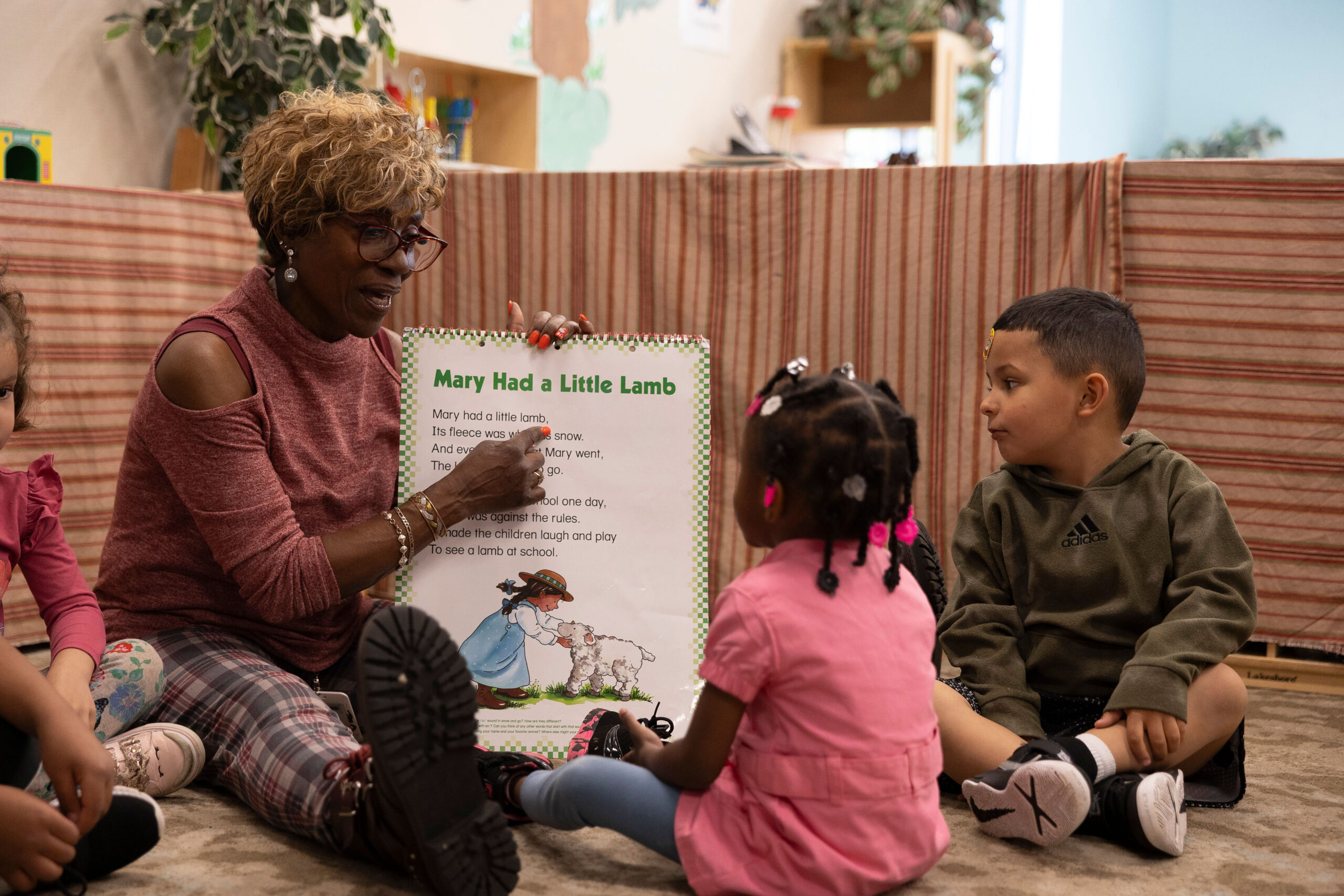
Beginning with our littlest scholars, the Flint Center is part of the Flint Early Childhood Collaborative through Educare Flint. It is here that we implement a two-generational approach to learning and literacy, recognizing that a parent is their child’s first teacher and that there is a critical link between parents’ well-being and their children’s social, emotional, physical, and cognitive development. Connecting parents with the resources they need and promoting family literacy helps prepare children from birth to five for success in the K-12 educational system and beyond.
Components of our educational ecosystem that indirectly impact reading and literacy are the Flint Parent Collaborative and our Research and Advocacy Initiatives. The Flint Parent Collaborative focuses on engaging parents to get involved in their child’s education through advocacy aimed at influencing educational policies and curriculum standards and identifying community resources and support for schools.
Through research and community advocacy, the Flint Center addresses the broader societal factors, policies, and systems that influence the education and well-being of Flint kids. Through initiatives like the Community Council on Education, we are working to disrupt the links between poverty and educational outcomes for Flint kids by influencing state and federal policy, and attracting increased investment in Flint kids, families, and communities.
Because of this multi-layered, intentional and focused educational ecosystem we have created, the Flint Center and its partners are building a solid foundation for a system that creates access and opportunity for all Flint kids, no matter their background or zip code.