






RESEARCH & ADVOCACY
The Flint Center for Educational Excellence employs a comprehensive theory of change that focuses on improving educational outcomes for Flint children through a cyclical process of innovation, evaluation, demonstration, advocacy, and scaling. This approach aims to create systemic improvements in the educational ecosystem of Flint.
OUR PROCESS
The Flint Center fosters innovation through its Flint Early Childhood Collaborative and Network for School Excellence, which bring together PreK-6 schools serving high proportions of Flint kids and low-income students of color. These networks combine the comprehensive resources of the Flint Center and encourage school leaders to collaborate, share ideas, and develop creative solutions to address the unique challenges faced by Flint students.
The Flint Center emphasizes rigorous evaluation of its initiatives using improvement science principles. This includes making work problem-specific and user-centered, focusing on variation in performance, and anchoring improvement in disciplined inquiry. By tracking and sharing student data, the Flint Center ensures that interventions are evidence-based and effective.
Through our comprehensive evaluation efforts and deep partnerships with families and community, the Flint Center demonstrates the effectiveness of its approaches. These programs serve as real-world examples of how targeted interventions can improve academic outcomes and overall well-being for Flint kids. They also serve as a framework for generating common-sense policy recommendations that can expand the reach of similar efforts beyond Flint.
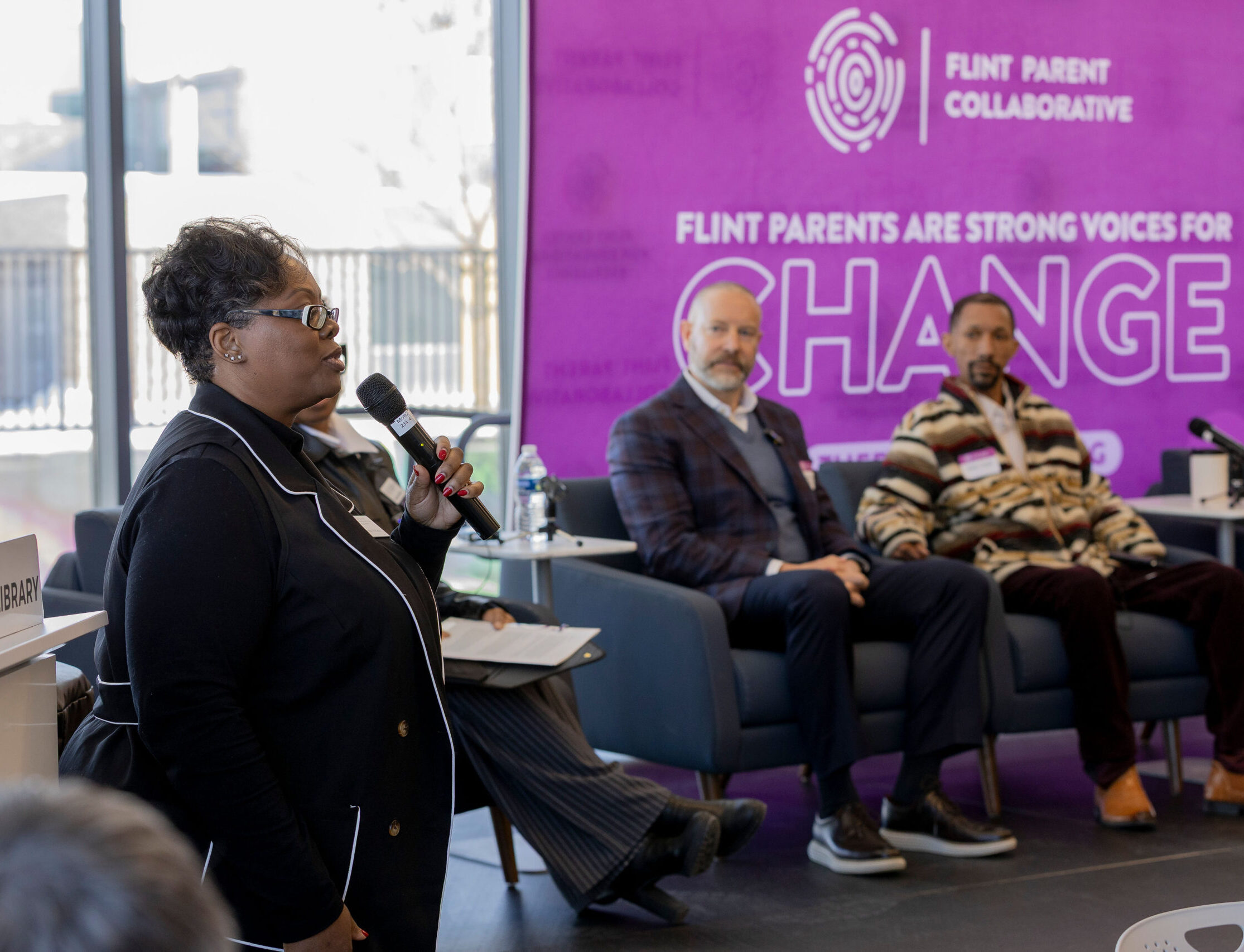
The Flint Center engages in advocacy through the Flint Parent Collaborative and Community Council on Education. These initiatives create platforms for parents and community stakeholders to voice their concerns, share experiences, and advocate for policies and practices that benefit Flint children. This “grass roots to grass tops" advocacy strategy helps to shape the educational landscape in Flint.
The ultimate goal of the Flint Center is to scale successful practices across the educational ecosystem. By coordinating efforts to accelerate the development, testing, and refinement of high-impact policies and practices, the Flint Center works to ensure that effective strategies can be integrated into varied educational contexts throughout Flint and beyond.
The Thrive Afterschool initiative, launched by Flint Center for Educational Excellence, delivers comprehensive academic, enrichment, mentoring, and family engagement programming to help Flint students succeed. In its first year, the program expanded high-quality afterschool, summer, and intersession learning opportunities across 16 school sites, serving hundreds of students and families. This report highlights key implementation milestones and early outcomes, including improved student participation, attendance, attitudes, and academic performance.
RESEARCH
Our comprehensive program evaluation framework integrates both formative and summative evaluations to ensure continuous improvement and assess overall effectiveness through:
Data Management and Analysis
Using our longitudinal data system, ThriveLink, the Flint Center collects and manages individual-level data for more than 3,000 students. ThriveLink provides a framework for collecting and analyzing data over time, allowing student progress to be tracked, trends to be identified, and empowering our staff and partners to make informed decisions to improve educational outcomes.


Program Evaluation
The Flint Center’s formative assessments aim to improve program design and implementation by providing ongoing feedback. They identify areas for improvement and help refine program components before and during implementation. Summative assessments evaluate the overall effectiveness of a program after its completion. They measure the extent to which program goals and objectives are data for accountability and future planning.